Today in Henry Laurens, March 30, 1763

In his letter to Thomas Courtin (sometimes Curtin), Henry requests a new ship be built to transport next year’s harvest.1

Henry requests Courtin, a shipbuilder and captain, “will set about the work of building a Ship without delay” and keep “me advis’d of your proceedings” to allow me to obtain “outward freight for her.”2
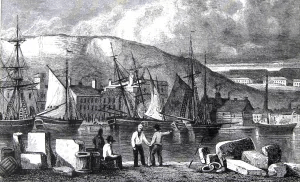
Emphasizing the importance of transatlantic connections, Henry plans to place funds “in the hands of my friends … in London, as well as” two messengers in Bristol “to keep you supply’d with Money as it shall be wanted.” But, Henry advises, “you will be as frugal as may be.”

If the money shipped on the Judith runs “against accidents,” Courtin should “apply immediately to Mrs. Nichelson & Co” for £200 Sterling.

Additionally, Henry advises that he has “Enter’d the Silver [already sent] you to the Debit of the Ship,” which shall be named Flora.
According to Dover historian Lorraine Sencicle, the vessel was built in Dover shipyard.3 It was completed and transported the Flora to Charles Town late in 1764.4

  1. Henry Laurens to Thomas Courtin, Charles Town, March 30, 1763, Papers of Henry Laurens, 3:390-391. All quotations from this letter. ↩︎
  2. Regarding Courtin as a ship captain see, The Remembrancer, Or Impartial Repository of Public Events (London, 1782), no page number. ↩︎
  3. Lorraine Sencicle, “Shipbuilding Part II of the Golden Age 1700-1793, http://www.doverhistorian.com (accessed March 30, 2025). ↩︎
  4. Henry Laurens to Maynes & Co., Charles Town, December 10, 1764, Henry Laurens Papers, South Carolina Historical Society, Charleston. ↩︎

Today in Henry Laurens, March 27, 1748

Henry’s letter to his brother-in-law, Francis Bremar, is enlightening for various reasons.1 First, it is an example of Henry’s method of business communication. He mentions the previous correspondence about which this letter revolves and identifies the vessels and captains that transported those letters. Such detailed information would be critical to maintaining the proper flow of transatlantic commerce.

Henry Laurens’s signature (1778).

Henry presumes that Bremar, who married Henry’s sister Martha in 1739, had already left London for Charles Town and that Henry would soon follow.

Francis solicited Henry’s commercial assistance in November. “You desire me to mention you to some of my [friends] who do business for Carolina,” Henry writes, but “You have left me to guess who is to be your chief friend & correspondent here [in London]. Moreover, Francis had failed to illustrate his ability to bring to Charles Town a “tolerable Sum toward purchasing a Cargo which [are] of great consequence.”

He indicates that London’s Carolina traders are “very cautious of opening new Accounts & many absolutely refuse to do it,” but that he flatters himself “with the Hopes of your making a better figure in respect to Cash than [many that] have been gone before you.”

Henry pedantically expresses his faith that Francis “will be as carefull as any to fulfill your engagements.”

After advising Francis of a few vital aspects of commerce—a strong financial backing, the importance of business contacts, and steadfast honesty—Henry states that he will “take proper opportunities to recommend you to such Gentlenen as I think I have any influence with & will be worth your acquaintance.”

Reinforcing additional elements of a successful trader, Henry writes, “I can only assure them that I know you to be an Honest Man, Industrious, & frugall [who is also well] acquainted with the proper articles for importation & sale at Carolina & one who I am perswaded will punctually comply with his engagements.”

Finally, Henry acknowledges his desire to assist further and “offer to be bound for you, but ere this time you know of my engagement in Copartnership with Mr. G[eorge] Austin” which forbids assistance in that manner.

Henry then lists 22 qualified men of trade with whom he’ll reach out on Bremar’s behalf.

An early (1750) Austin & Laurens ad in the South Carolina Gazette.
  1. Henry Laurens to Francis Bremar, London, March 27, 1748, Papers of Henry Laurens, 1:230-232. ↩︎

Today in Henry Laurens, March 22, 1760

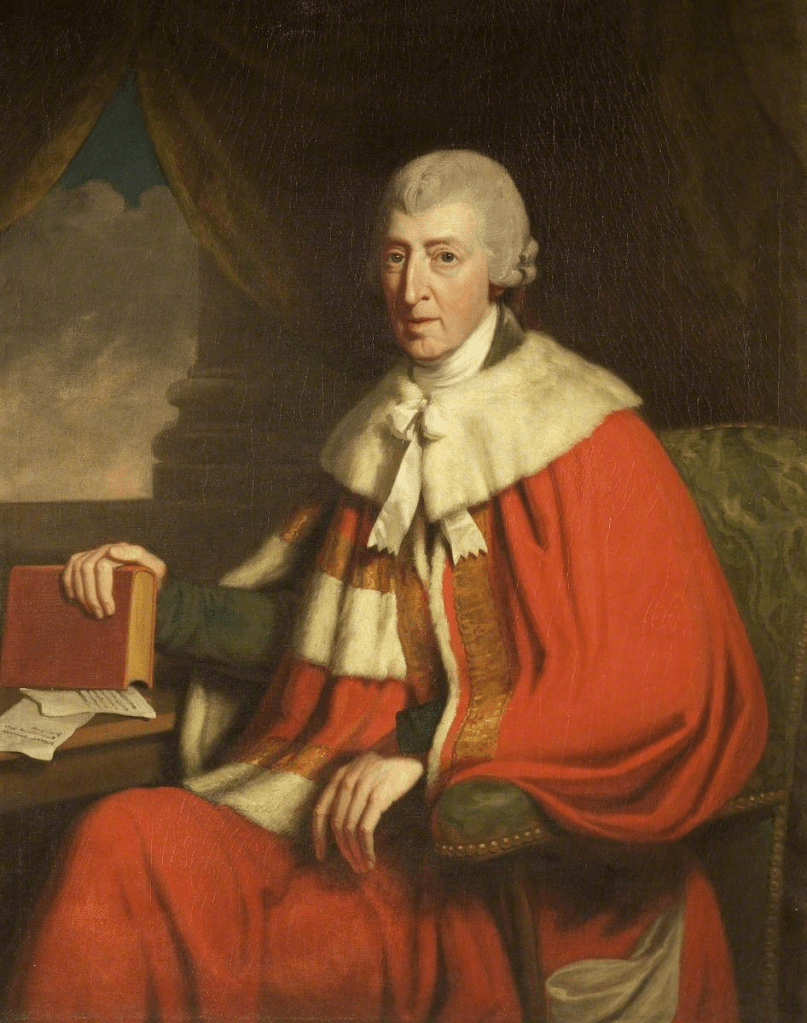
On this Saturday in early Spring, Henry joined his brother James and dozens of other merchants in expressing their gratitude to departing Governor William Henry Lyttleton.1

Sir William Henry Lyttelton (ArtUK)

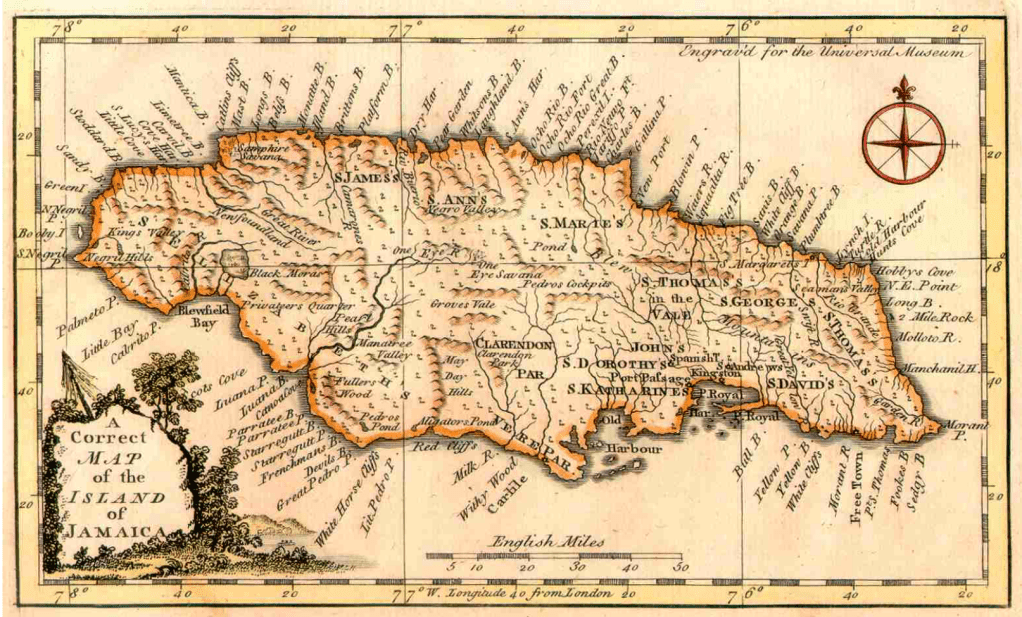
Born nine months after Henry, Lyttleton arrived in Charles Town in the early summer of 1756 amid great fanfare.2 Now, after nearly four years of leadership during a time of global warfare, Lyttleton left Charles Town for, ultimately, Jamaica, where he would become the 26th English governor of the sugarcane-rich island, but not before Henry and his fellow merchants expressed their “sincere and unaffected tenders of esteem.”

“When we first had the pleasure of [your leadership], it was with confidence in Your Merit,” adding that “We had good reason to hope that Trade & Commerce would Flourish under Your Excellency’s protection, which we now from a happy experience declare that Our hopes were not in vain.”

“Gibson’s Correct Map of the Island of Jamaica–1762” (Texas A&M University)3

The merchants’ “humble address” applauded Lyttelton’s fine management of and concern for their pecuniary interests and those of the “public in general.” Neither Henry nor the merchants could conceive of a situation in which their interests were not also those of the “general public.”

  1. South Carolina Gazette, March 22, 1760. All quotes come from this letter. The Vernal Equinox began on March 20, 1760. For more on Lyttelton, see Clarence John Attig, “William Henry Lyttleton: A Study in Colonial Administration” (PhD diss. University of Nebraska, 1958). ↩︎
  2. South Carolina Gazette, June 5, 1756. ↩︎
  3. Cartographer John Gibson created this map shortly after Tacky’s Revolt and likely shortly before Lyttelton’s arrival. See, Vincent Brown, Tacky’s Revolt: The Story of an Atlantic Slave War (Cambridge, 2021). ↩︎

Today in Henry Laurens, March 19, 1748

Writing on this Saturday morning in mid-March, Henry prepares to finalize his father’s estate.1 Jean died on May 31, 1747, just three days before Henry arrived from England.2 This letter is Henry’s second to Prince William’s Parish planter, Hugh Bryan, a warm friend and ardent supporter of The Reverend George Whitefield. Interestingly, Bryan had been taken by the Native Americans when a child.3

Estate Inventory of Henry Laurens’s Father, Jean (Papers of Henry Laurens, 1:369)

“Your Note for One hundred & Eighty Pounds Payable to Laurens & Addison [the mercantile firm of Henry’s uncle, Peter, and Benjamin Addison]. is assign’d to me,” Laurens wrote in December 1747, “for the use of the Estate of [my father] Mr. John Laurens.” Furthermore, Henry asks that payment be remitted in three weeks.4

Nearly twelve weeks later, on that Saturday morning, Henry tactfully observed, “as I have receiv’d no Answer I imagine my Letter has not reach’d you which occasions my writing to you again on the same Business.” Henry expresses a sense of urgency as he desires to return to London “early in May next if I can [settle] my Fathers affairs.” Therefore, he declares, “I shall esteem it a favour if you will furnish me with the Amount of your said Note.”5

After nearly sixteen months of settling his father’s estate and making business arrangements, Henry sailed for London on September 21, 1748, aboard the Charming Nancy, captained by William White.6 The debt remained unsettled at the time of Henry’s departure.7

The Charming Nancy, a ship well-known for transporting immigrants to America (“Amish Daily Post” via Facebook)
  1. Henry Laurens to Hugh Bryan, Charles Town, March 19, 1748, Papers of Henry Laurens, 1:123. ↩︎
  2. For Jean’s death see, South Carolina Gazette, June 8, 1747. For Henry’s arrival see, South Carolina Gazette, June 1, 1747. ↩︎
  3. For the first letter see, Henry Laurens to Hugh Bryan, Charles Town, December 29, 1747, Papers of Henry Laurens, 1:98-99. For George Whitefield see, Jessica M. Parr, Inventing George Whitefield: Race, Revivalism, and the Making of a Religious Icon (Jackson, 2015). ↩︎
  4. Henry Laurens to Hugh Bryan, Charles Town, December 29, 1747, Papers of Henry Laurens, 1:98-99. For his uncle’s firm see, Henry Laurens to George Jackson, Charles Town, September 7, 1747, Papers of Henry Laurens, 1:54. ↩︎
  5. All quotes in this paragraph from Henry Laurens to Hugh Bryan, Charles Town, March 19, 1748, Papers of Henry Laurens, 1:123. ↩︎
  6. South Carolina Gazette, September 21, 1748. ↩︎
  7. Henry Laurens to Hugh Bryan, Charles Town, July 15, 1748, Papers of Henry Laurens, 1:156-157. ↩︎

Today in Henry Laurens, March 16, 1771

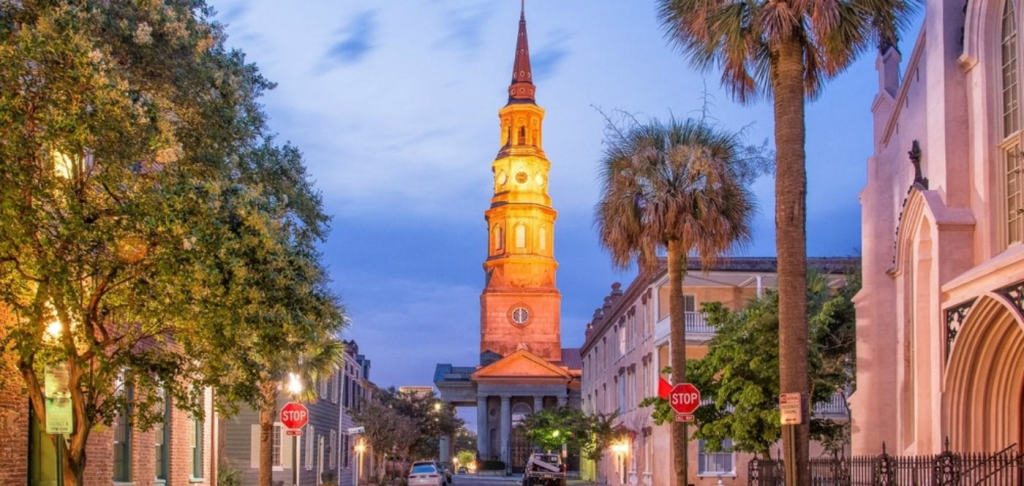
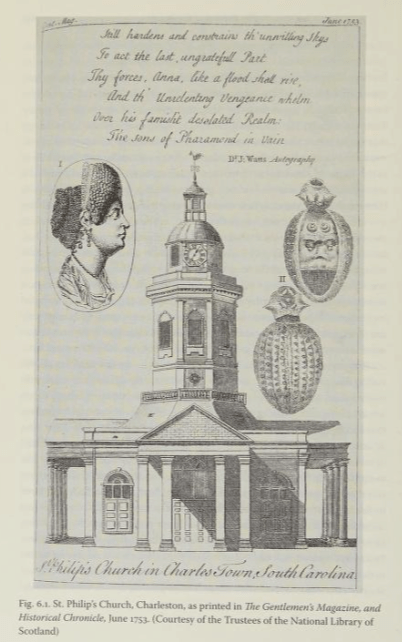
On this Saturday from Charles Town, Henry penned a letter to Richard Clarke, a well-respected priest sent to the city by the Society for the Propagation of the Gospel.1 He arrived in Charles Town in the fall of 1753. “When he preached,” wrote David Ramsay, “the church was crowded, and the effects of it were visible in the reformed lives of many of his hearers.”2

St. Philip’s Church, Charleston (Traveler of Charleston)

He left South Carolina in 1759 and became lecturer at St. James’s Aldgate in London. “Though that city abounded with first-rate preachers,” Ramsay continued, “his eloquence and piety attracted a large share of public attention.” Furthermore, and most relevant to this letter, “He was so much esteemed and beloved in Charlestown, that several of its inhabitants sent their children after him, and put them under his care and instruction at an academy which he opened near London.”3

“I have now been long waiting in anxious Suspense for an Answer to a Letter … upon very great Importance to me, and” which you should have received in October. “In the mean Tim, Henry writes, “I have determined with God’s Will to send my second son Henry to your school, and to board in your House.” Henry said he would send Henry in a couple of weeks aboard the Indian King, captained by Richard Baker, “a very careful kind Man.”

Upon his arrival at Cowes, Henry’s friends will convey him to London, but only after he has been “Innoculat[ed] for the Small Pox.” Henry adds that his brother, James, plans to send his wife’s nephew on the same ship.

Henry also had plans for his son, John, who would accompany him to England in “a Month or two longer.” Henry and John would depart for England that July, arriving at Falmouth on October 9 via Philadelphia.4 “Last night,” he wrote a London friend, after a Passage of 29 days …, I arrived here in good health, having in company with me … my eldest and youngest sons, and a Servant (an enslaved man named Scipio). The servant insisted on being called Robert Laurens while in England.5

  1. Henry Laurens to Richard Clarke, Charles Town, March 16, 1771, Papers of Henry Laurens, 7:457-458. ↩︎
  2. David Ramsay, History of South Carolina, From Its First Settlement in 1670 to the Year 1808 (Newberry, 1858), 250. ↩︎
  3. All quotes in this chapter, ibid. For his departure see, South Carolina Gazette, February 17, 1759. ↩︎
  4. Henry Laurens to Richard Clarke, Charles Town, March 16, 1771, Papers of Henry Laurens, 7:457-458. ↩︎
  5. Henry Laurens to William Cowles, Falmouth, October 10, 1771, Papers of Henry Laurens, 8:1. ↩︎

Today in Henry Laurens, March 15, 1768

From Charles Town, Henry writes to Reynolds, Getley & Co., of Bristol. This letter is illustrative of four critical components of eighteenth-century trade.1 First, Henry sends his letter via three different ships, ensuring delivery. Second, Henry chooses specific, competent, knowledgeable, and trustworthy captains to deliver his message. Third, Henry discusses both rates of exchange and credit availability. Finally, Henry’s connections allowed him to offer the firm better credit terms than he otherwise would have been able to do.

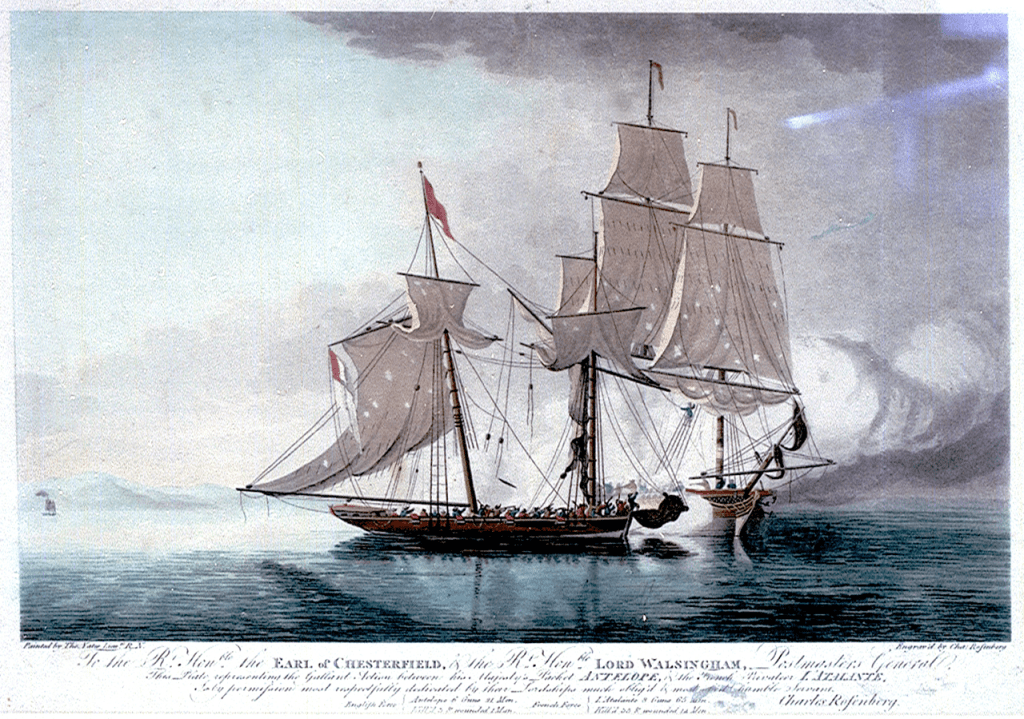
Henry dispatched his letter aboard three ships. On the 9th, Captain John Wells departed Charles Town aboard the Barclay.2 Two days later, the Carolina Packet (Captain William White) and the Ruby (Captain James Henderson) sailed for Bristol in western England on the Bristol Chanel that opens into the Atlantic.3

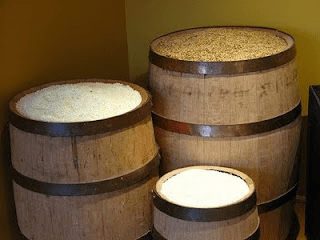
Henry praises the firm’s own Captain Joseph Brown, “who is equal in diligence & discretion to any Man that I have met with in his station & deserves much applause.” In this instance, Henry’s approbation is based on the efficiency with which Brown loads barrels of rice despite incessant rain, making it “unfit to move Rice in.” At the time of Henry’s letter, Brown had stowed on board over 1,000 barrels and “will be quite ready for Sea” in short order.

Henry closes his letter with a discussion of credit terms both in London and Charles Town. He mentions that he secured the firm a 6% discount and that he had “taken the Liberty to pass Bills upon you for Five Hundred & thirty Pounds Sterling all at 30 days sight & payable in London.”

The Mysterious Barrel of Gold (Undiscovered Charleston)
  1. Henry Laurens to Reynolds, Getly & Co., Charles Town, March 15, 1768. All quotes come from this letter unless otherwise noted. ↩︎
  2. South Carolina Gazette, March 14, 1768. ↩︎
  3. Ibid. ↩︎

Today in Henry Laurens, March 11, 1778

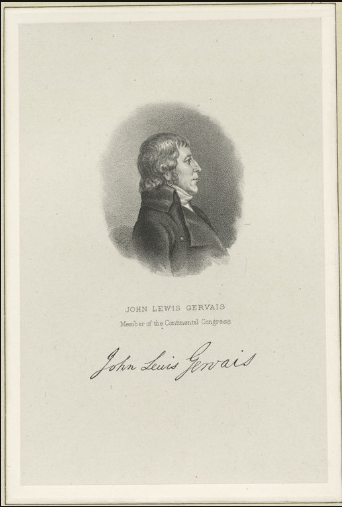
In the middle of his sixth month in York, Pennsylvania, Henry writes to his good friend and fellow Lowcountry planter, John Lewis Gervais.1 But likely still suffering from a “Severe attack of the Gout,” Henry missed home.2

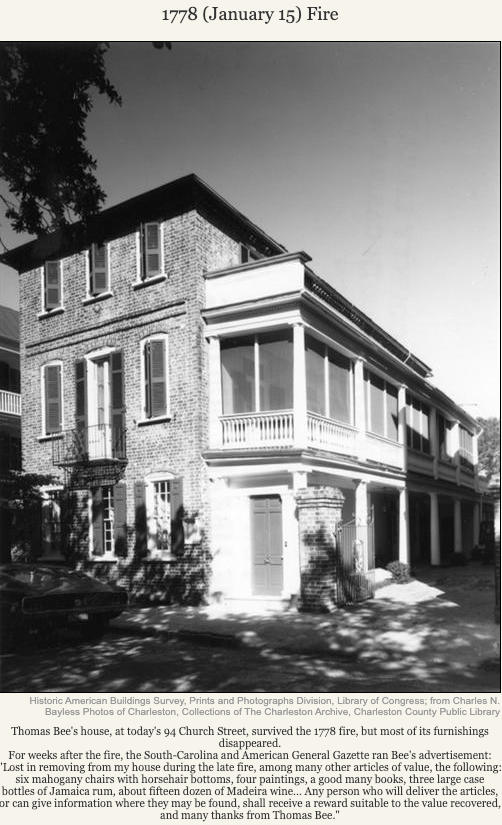
“Sympathize with me,” he bemoaned,” when I complain that near four Months have elapsed since the date of the last public or social Letter to me from Charles Town.” Thus, imagine “what I must feel” when I have read in the papers “of a wasting Fire in the Capital City of the state from when I ascended.”3 The fire, which started in a baker’s kitchen on Queen Street the previous January 15, enveloped about 250 dwelling houses in short order. Also engulfed in the flames was the South-Carolina and American General Gazette, causing the paper to miss its January 22, 1778 issue: “The Printer having been burnt out of his house in the first on the 15th instant.”4

The reports alerted Henry “enough to make me feel deeply for my fellow Citizens_ Let me intreat my worthy friend Mr. [Gabriel, the elder] Manigault & your Self to charge my Brother’s Estate & my own with ample Sums in contribution to the relief of the necessitous…. You will see what other people give & go rather beyond proportion in subscribing for me.” Henry also offered his house to those who may need lodging.

Thomas Bee’s house (Preservation Society of Charleston)

In another example of Henry’s generosity of both spirit and wallet, he explained to Gervais the pitiable situation of Louis-Casimir, baron de Holtzendorff. The Baron had been one of the earliest French volunteers to the Rebel cause. Congress commissioned him a lieutenant colonel in November 1777, but Holtzendorff had been unable to make his expenses and soon requested leave to resign and return to France.5 Henry lent him “400 Dollars to help him” return to France, “after I had learned that he had been reduced to make sale of his Silver Mounted Sword & the Epaulets from his Coat.”

  1. Henry Laurens to John Lewis Gervais, York, March 11, 1778, Papers of Henry Laurens, 12:539-542. All quotes, unless otherwise noted, are from this letter. Congress had been forced to evacuate Philadelphia the previous September and settled in York on September 30. ↩︎
  2. John Lewis Gervais to Henry Laurens, Charles Town, February 23, 1778, Papers of Henry Laurens, 12:476. ↩︎
  3. For the fire, see Michael E. Stevens, “The Vigilant Fire Company of Charleston,” The South Carolina Historical Magazine 87, no. 2 (April 1986): 131-132; Lee Kennett, trans. and ed., “Charleston in 1778: A French Intelligence Report,” The South Carolina Historical Magazine 66, no. 2 (April 1966): 109-111; George C. Rogers, Jr., Charleston in the Age of the Pinckneys (Columbia, 1980), 28; and Richard Walsh, Charleston’s Sons of Liberty: A Study of the Artisans, 1763-1789 (Columbia, 1959), 80-81 and 100. ↩︎
  4. South-Carolina and American General Gazette, January 29, 1777. ↩︎
  5. Mark M. Boatner III, Encyclopedia of the American Revolution (Mechanicsburg, 1994), 509. ↩︎

Today in Henry Laurens, March 8, 1778

“I, no longer, correspond, in a publick Character, with you,” John Rutledge wrote, “but, as I wish, that my Conduct may always stand fair, in the Opinion of Men of Integrity & Understanding, I hope you will excuse my taking the Liberty of giving you, a brief account of my Resignation_”1

Former South Carolina state governor John Rutledge had just delivered his resignation speech three days prior. After declining to approve a new state constitution (1778), Rutledge stepped down, arguing that his powers wrested upon the current constitution (1776).2

Supreme Court Justice, John Rutledge (Supreme Court Historical Society).

Engaging in the political philosophy so typical of the time and referencing “Locke, Bolingbroke, and other celebrated Names,” Rutledge was convinced “that a Legislature has no lawful Power, to establish a different [form of government], but that such Power is, only, in the People, on a Dissolution of Government, or Subversion of the Constitution.”

Rutledge was nearly apoplectic that anyone could believe he “could have consented to the Establishment of a different Legislature,” at least “no candid & judicious Person.” However, men did expect him to do just that. But he argued that before they could even “pass an Act contrary” to the existing consitution, “a virtual, or implied, Absolutism, an Absolution, by an Act tantamount to a Law, for repealing that which imposed” their original oath (to the 1776 constitution) must first be agreed upon.

Failing that, Rutledge resigned. The vote for his replacement was not smooth. Arthur Middleton defeated Christopher Gadsden by a vote of 76 to 40 but refused the office using the same logic as Rutledge.3 Gadsden lost a second vote, this time Rawlins Lowndes, who accepted the appointment.

  1. John Rutledge to Henry Laurens, Charles Town, March 8, 1778, Papers of Henry Laurens, 12:527-529. All subsequent quotes come from this letter. ↩︎
  2. South Carolina and American General Gazette, March 12, 1778. For a narrative of the events leading to Rutledge’s resignation, see Edward McCrady, The History of South Carolina in the Revolution, 1775-1780 (New York, 1901), 236-239. ↩︎
  3. For Gadsden, see Stanly E. Godbold, Jr., and Robert Woody, Christopher Gadsden and the American Revolution (Knoxville, 1983) and Daniel McDonough, Christopher Gadsden, and Henry Laurens: The Parallel Lives of Two American Patriots (Plainsboro, 2000). ↩︎

Today in Henry Laurens, March 6, 1724

Happy birthday, Henry!

Thanks, AI.

Henry was an influential statesman, wealthy and connected merchant, planter, and slave trader from South Carolina. He was born into a Huguenot family of modest but growing means.

He amassed a considerable fortune as a slave trader, planter, and merchant and was undoubtedly colonial South Carolina’s most successful merchant.

His mercantile business, service in various social and political leadership roles in Charles Town, and calm and reasoned demeanor made him a natural selection as leader of the revolutionary movement emanating from Charles Town.

He did not let them down, and they chose him as a delegate to the Second Continental Congress, which then elected him its president. During his time on the national stage, he was a constant and loyal supporter of George Washington and played a crucial role in the passage of the Articles of Confederation.

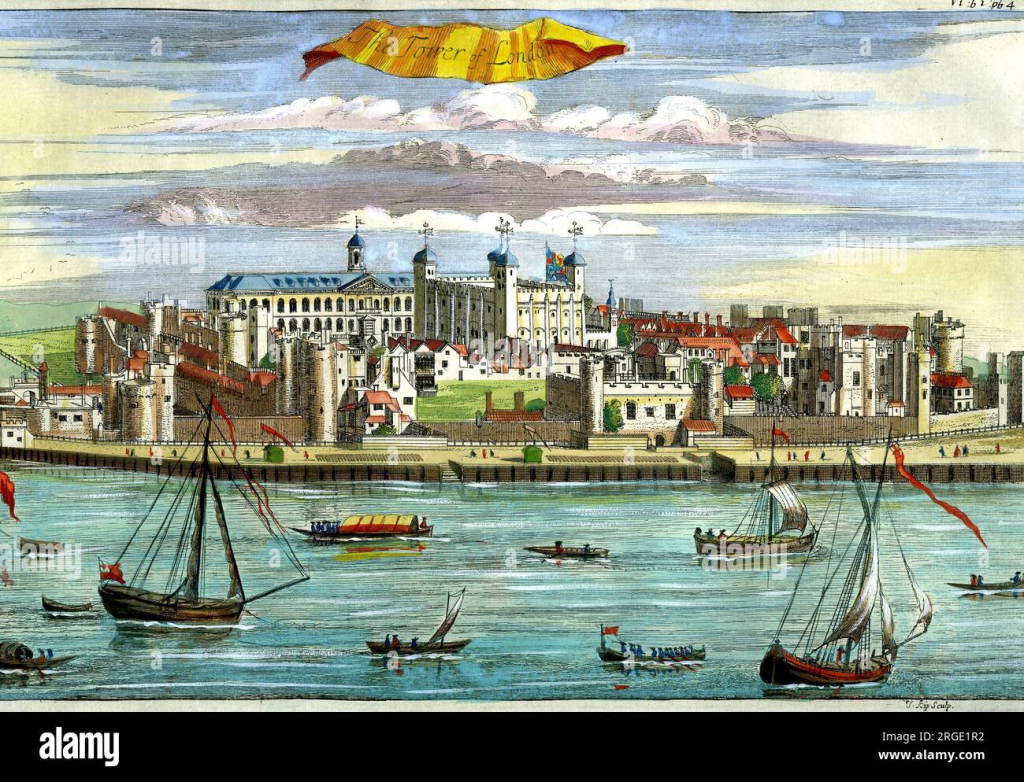
After resigning as president, Congress sent him on a diplomatic mission to the Netherlands on August 13, 1780. That voyage was cut short when the British captured his ship on September 3. He landed in the Tower of London on October 6 of that year and remained imprisoned until December 31, 1781, when he was exchanged for General Charles Cornwallis.

Tower of London, Alamy.

He mostly retired from public life following his return to South Carolina and died there in 1792.

Although he might be best known for being the father of John Laurens (of Hamilton fame), earlier generations of Americans have long-admired his prominent though understudied role in the American Revolution.His legacy includes his contributions to American independence and early American governance. It also includes his significant role in the growth of chattel slavery in the South Carolina lowcountry.

Today, in Henry Laurens, March 3, 1759

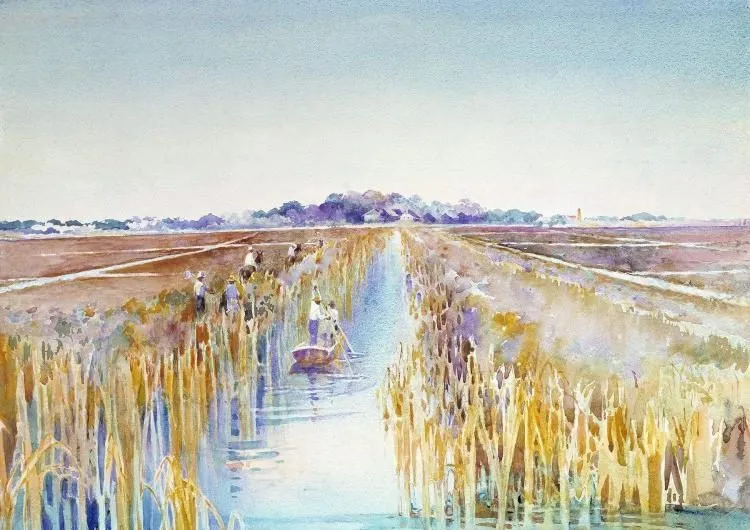
The Porto firm of Arthur Holdsworth and John Olive forward the details of the sale of Henry’s rice in Portugal.1 The proceeds from the sale were 1,334$775 [sic] “which carry to your credit.” They advise Henry they would have tried to hold out for better terms, but they had learned more rice would soon arrive.

It was the Rice Act of 1730 that allowed South Carolinians to export directly to Spain and Portugal.2

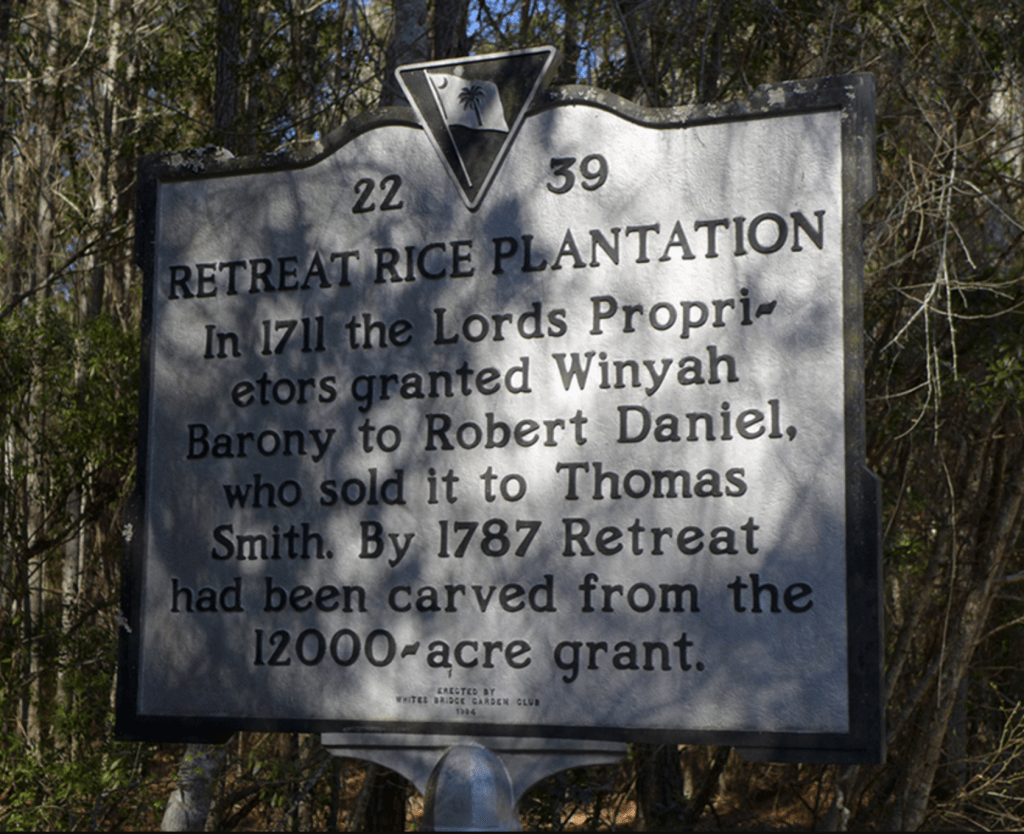
Retreat Plantation, Prince George, Winyah Parish, South Carolina (South Carolina Plantations).
  1. Holdsworth and Olive to Henry Laurens, Porto, March 3, 1759, Papers of Henry Laurens, 3:5. ↩︎
  2. Edward McCrady, The History of South Carolina under the Royal Government, 1719-1776 (New York, 1899), 109. ↩︎