On this Saturday in early Spring, Henry joined his brother James and dozens of other merchants in expressing their gratitude to departing Governor William Henry Lyttleton.1
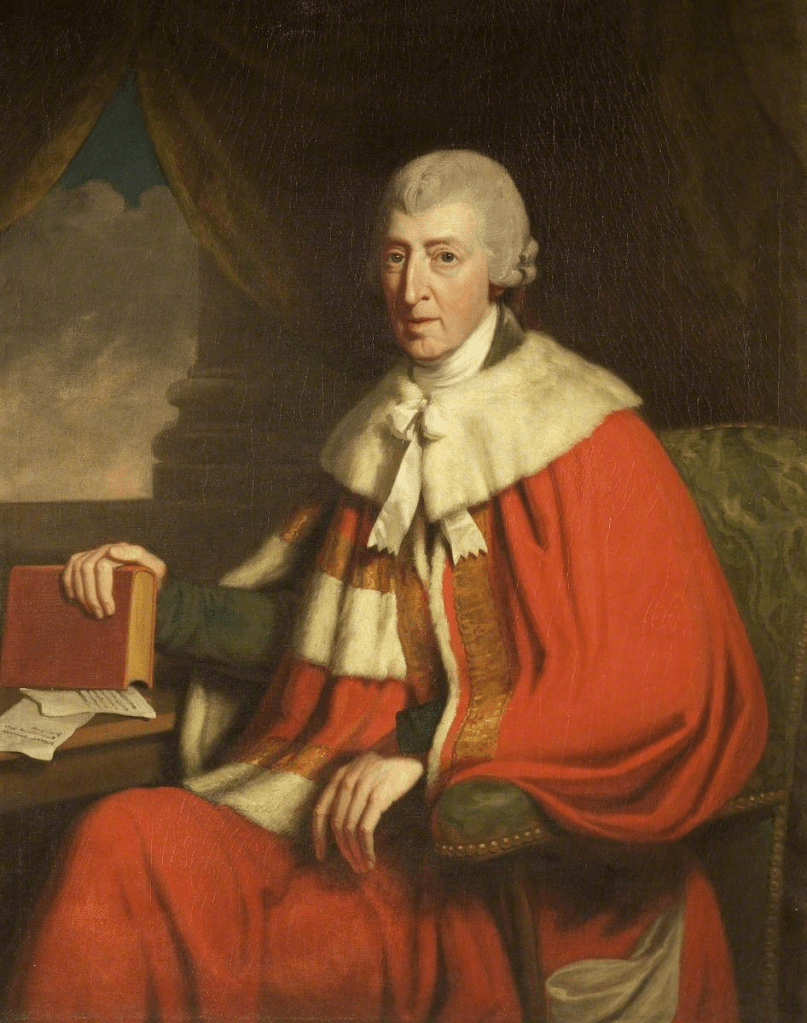
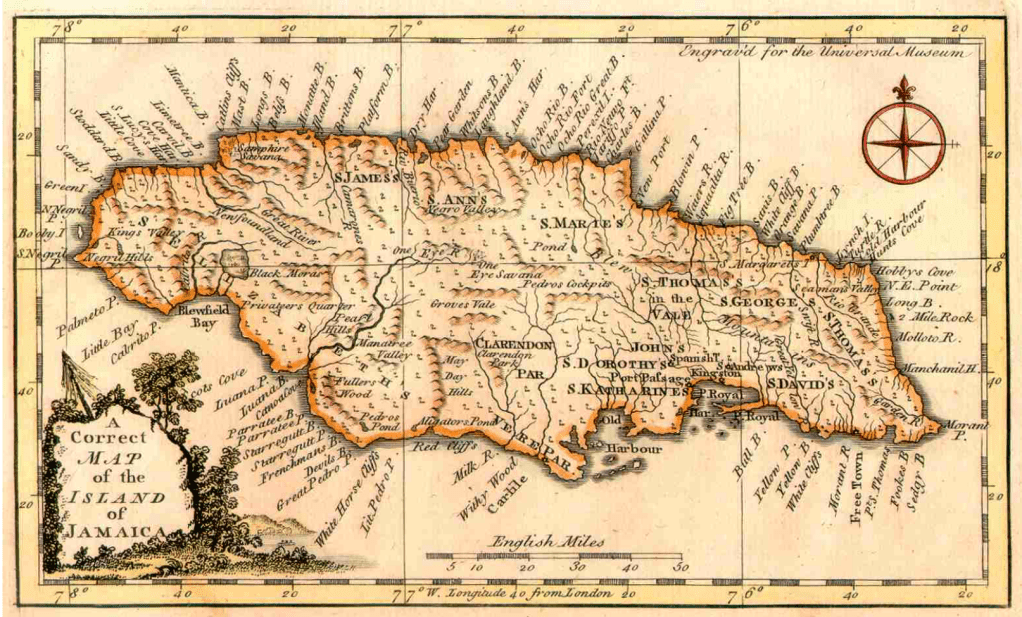
Born nine months after Henry, Lyttleton arrived in Charles Town in the early summer of 1756 amid great fanfare.2 Now, after nearly four years of leadership during a time of global warfare, Lyttleton left Charles Town for, ultimately, Jamaica, where he would become the 26th English governor of the sugarcane-rich island, but not before Henry and his fellow merchants expressed their “sincere and unaffected tenders of esteem.”
“When we first had the pleasure of [your leadership], it was with confidence in Your Merit,” adding that “We had good reason to hope that Trade & Commerce would Flourish under Your Excellency’s protection, which we now from a happy experience declare that Our hopes were not in vain.”
The merchants’ “humble address” applauded Lyttelton’s fine management of and concern for their pecuniary interests and those of the “public in general.” Neither Henry nor the merchants could conceive of a situation in which their interests were not also those of the “general public.”
- South Carolina Gazette, March 22, 1760. All quotes come from this letter. The Vernal Equinox began on March 20, 1760. For more on Lyttelton, see Clarence John Attig, “William Henry Lyttleton: A Study in Colonial Administration” (PhD diss. University of Nebraska, 1958). ↩︎
- South Carolina Gazette, June 5, 1756. ↩︎
- Cartographer John Gibson created this map shortly after Tacky’s Revolt and likely shortly before Lyttelton’s arrival. See, Vincent Brown, Tacky’s Revolt: The Story of an Atlantic Slave War (Cambridge, 2021). ↩︎
Discover more from Greg Brooking, PhD
Subscribe to get the latest posts sent to your email.
 Greg Brooking, PhD