Today in Henry Laurens, April 20, 1749

Waiting for “fair Wind” aboard the Fortrose on the Kentish coast, Henry sits down to write a heartfelt letter to his stepmother, Elizabeth Wicking Laurens.1 Upon exchanging vows in July 1742, Elizabeth, a former bookseller on Broad Street, became Jean Laurens’s second wife and Henry’s stepmother. Their marriage would be shortlived as Jean died five years later at the age of fifty-one.
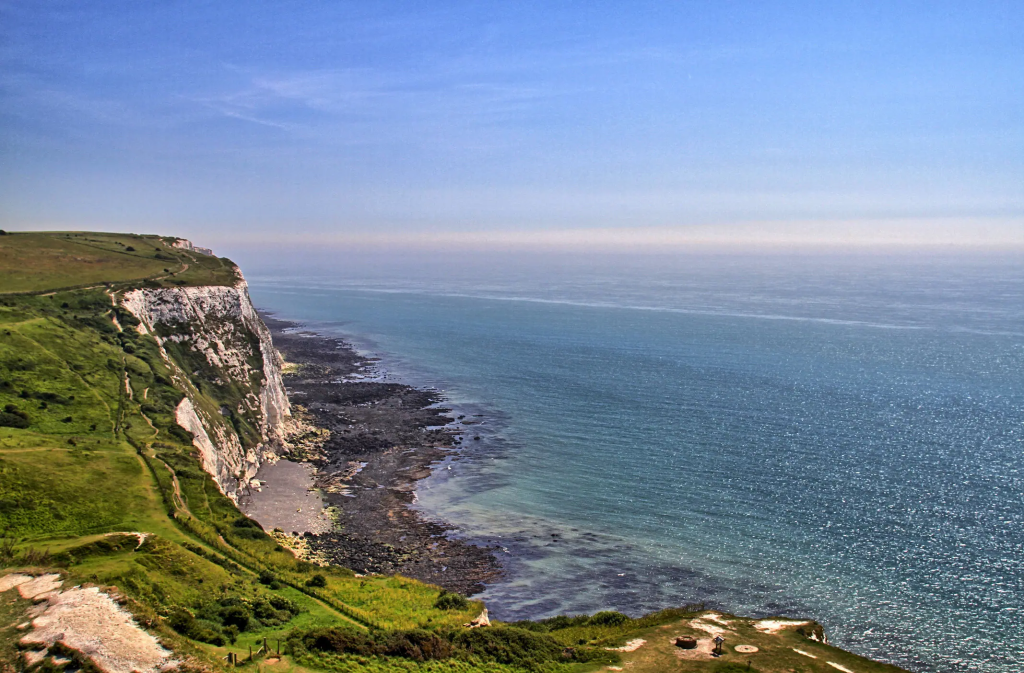
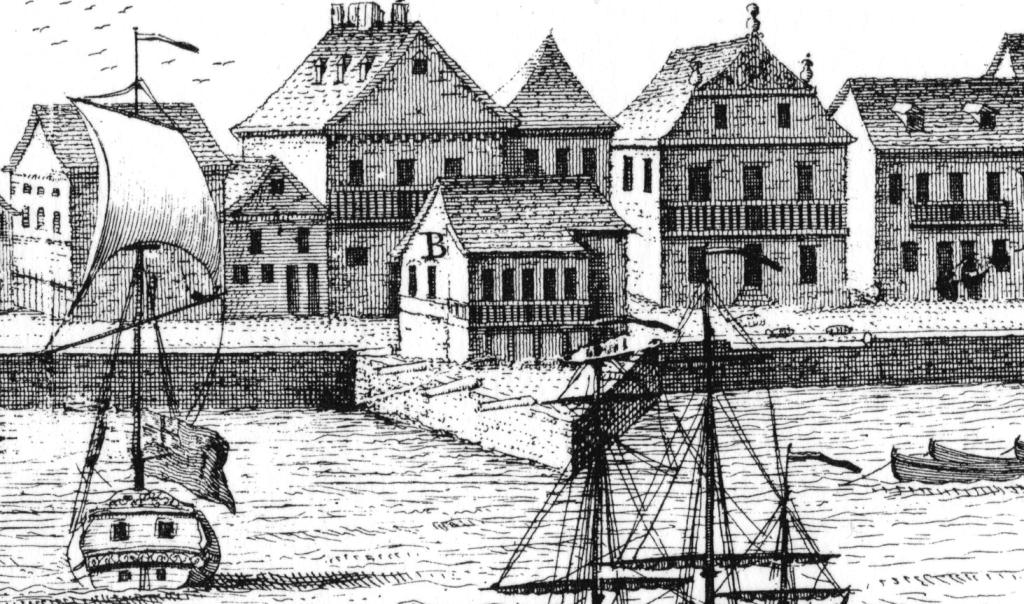
Deal, England (Seabourn)

Elizabeth had just “taken a Passage” from Charles Town for Bristol, for which Henry “pray[ed] the merciful Governour of all things to conduct you in safety … & to bless the Evening of your days with Health & all felicity.”

“I assure you,” Henry wrote, “it shall always be my study in that & all others to give you perfect satisfaction” because “I can never discharge the many obligations I am under to you.” Sadly, the extant correspondence does not reveal the source of these obligations.

Henry begs of Elizabeth to immediately apprise him of her arrival, and “as often after as your Leisure will permit.” He closes with the assurance that “’tis needless to offer you my service if you should have any commands in Carolina.”

  1. Henry Laurens to Elizabeth Laurens, Deal, April 20, 1749, Papers of Henry Laurens, 1:239-240. ↩︎

Today in Henry Laurens, April 13, 1756

From his desk on Tuesday, April 13, 1756, Henry pens his first extant letter to Richard Oswald, who would come to play a principal role in Laurens’s accumulation of wealth. A quarter century later he would save Laurens from the Tower of London.1

Richard Oswald (artwarefineart)

Henry’s is a response to Oswald’s of two months prior. He acknowledges appreciation for “our worthy Friends,” Augustus and John Boyd, “for the confidence they repose in us by becoming our Security for a punctual Remittance of the Produce of your Slaves intended us by the Carlisle,” captained by Thomas Oswald.2 The Boyd brothers were West Indian merchants in London. Henry likely met them during his time in the capital in the late 1740s. Here again we can see Henry making ample use of his growing transatlantic connections.

The provincial government’s inability to protect the backcountry following General Edward Braddock’s defeat along the Monongahela threw the Lowcountry into spasms, leaving Henry to suggest other options for Oswald’s human cargo. The current “Scene,” Henry wrote, “is so much alter’d for the worse within these” last several months that “we sincerely wish you may order the Sloop to a much better than our at present.”

The Vendue, or Market, House at the east end of Tradd Street (Nic Butler, “The Auction Sales of Enslaved in Colonial Era Charleston”)

Recent events were especially loathsome, Henry writes, because South Carolinians insatiably spent £330 “for some very prime Gambia men” just last fall. However, one would be lucky to unload similar men at two-thirds of that price.

  1. Henry Laurens to Richard Oswald & Co., Charles Town, April 13, 1756, Papers of Henry Laurens, 2:169-170. ↩︎
  2. Henry’s firm, Austin & Laurens, sold Gambian slaves brought across the Atlantic via Thomas Oswald’s Carlisle later that summer. South Carolina Gazette, July 1, 1756. ↩︎

Today in Henry Laurens, April 5, 1774

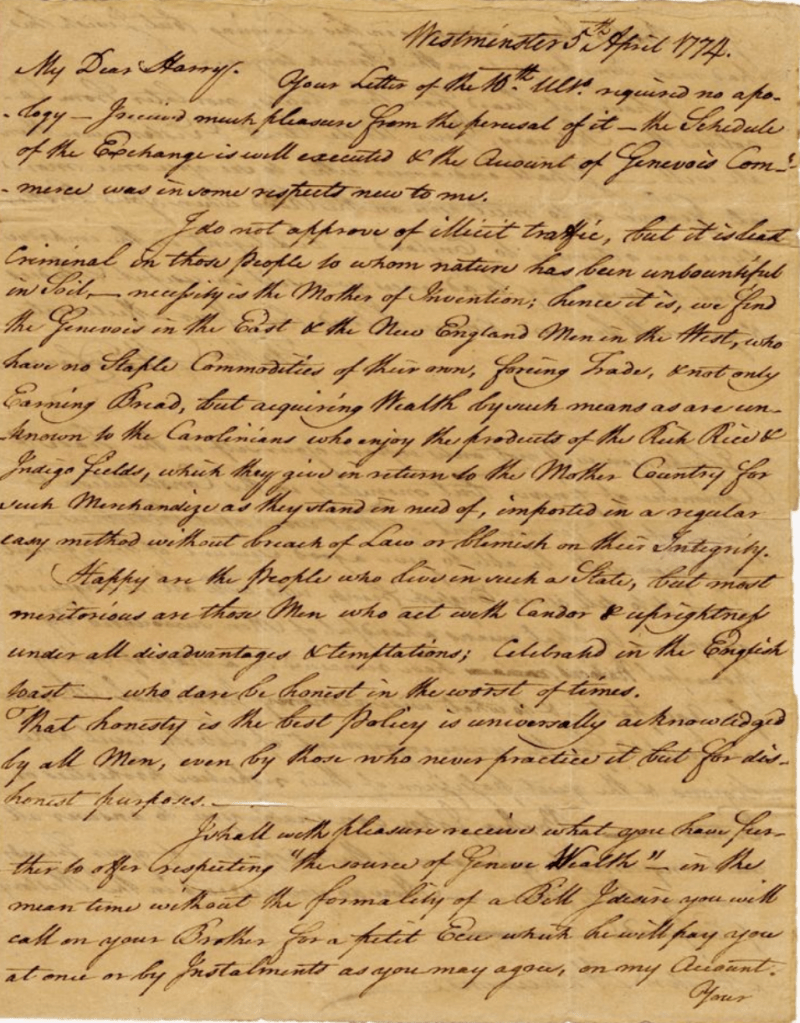
From Westminster, Henry writes a pedantic and fatherly letter to his son, Henry, Jr. (Harry), then studying at the home of David Chauvet in Geneva.1

Henry Laurens to Harry Laurens, April 5, 1774 (Lowcountry Digital Library).

This letter responds to Harry’s letter of March 10, which, unfortunately, has not survived or resurfaced. Discussing the important news of the era, Henry informs his 11-year-old son, “I do not approve of illicit traffic.” However, Henry suggests, “It is least Criminal in those People to whom nature has been unbountiful in Soil [because n]ecessity is the Mother of Invention.” Thus, people “who have no Staple Commodities … forcing Trade, & not only Earning Bread, but acquiring Wealth by such means as are unknown to the Carolinians,” who abound in “Rich Rice & Indigo fields.”

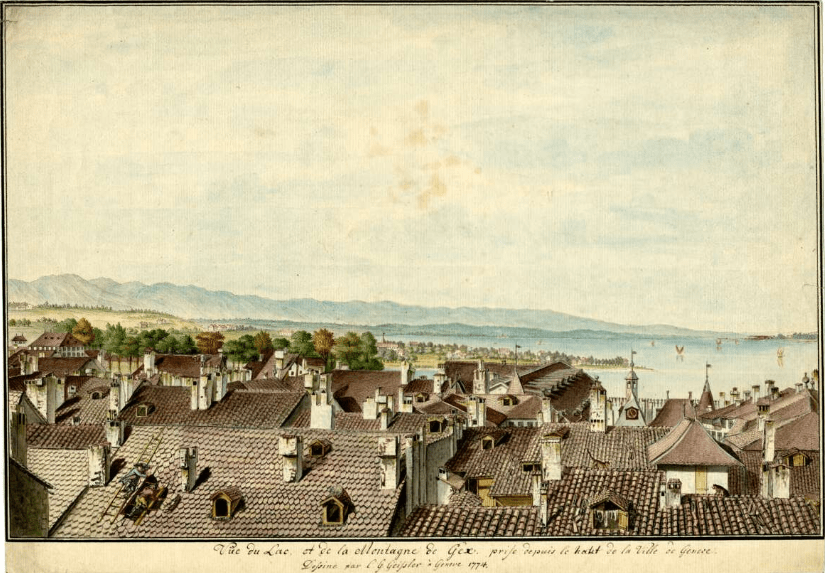
Vue du Lac, et de la Montagne de Gex. prise depuis le haut de la Ville de Geneve, c1774 (Daniel Dematos, “The Tontine Coffee House”)

Henry acknowledges the fortune of Carolinians, “but most meritorious are those Men who act with Candor & uprightness under all disadvantages & temptations; Celebrated in the English toast, who dare to be honest in the worst of times.”2

Henry closes his letter with the admonition, “To be diligent in the improvement of every Day to advance yourself in useful Studies & you will be more & more beloved by Your Affectionate Father.” He adds in a postscript his desire that in addition to his studies in commerce, he should inform himself “minutely in the Constitution & form of the Government of that wonderful Republic [Geneva].”

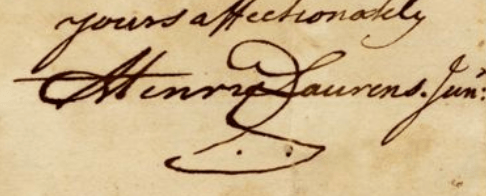
Signature of “Harry” Laurens, 1786 (Lowcountry Digital Library)
  1. Henry Laurens to Henry Laurens, Jr., April 5, 1774, Papers of Henry Laurens, 9:377-379. ↩︎
  2. This toast can be found in George Cavalier (pseudonym), A Letter to the Late Author of the Spectator; Occasion’d by His Paper of Monday December 6, 1714 (Lonon, 1714). ↩︎