Today in Henry Laurens, June 19, 1778

This letter is a nice example of a typical Laurens-related letter of the period. It has three themes: war news, personal affairs, and business particulars.
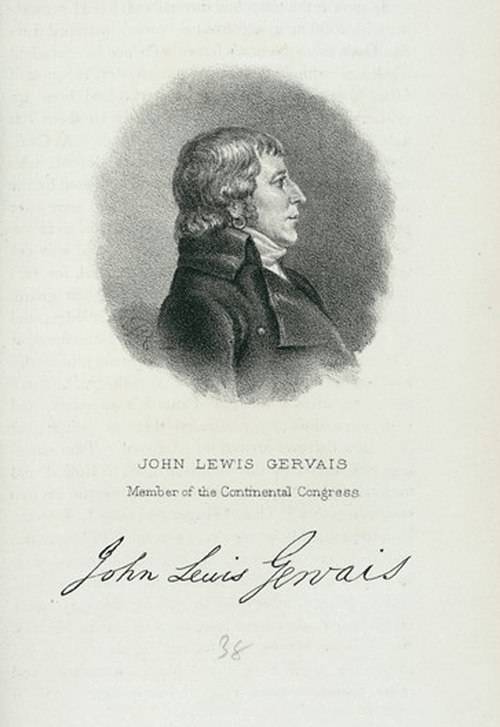
Henry’s good friend, John Lewis Gervais, writes from Charles Town on this Friday, informing Henry that he received Laurens’s important letter from May 3rd. In it, Gervais learns of “the happy turn of our affairs by the Alliance with France.”1 Gervais basks in the belief that the event “will afford us leisure to put ourselves upon a more respectable footing.” Charlestoanians greeted that news with “great Satisfaction to all (except Tories).” Gervais understood the geopolitical importance of the news. Great Britain must now be stretched too thin, defending the home island and the valuable West Indies from French invasions and excursions. Gervais say he joins the rest of Charleston in their asatisfaction that Henry has decided to “stay a little longer in Congress [still at York, Pennsylvania] … particularly at this present Juncture.”
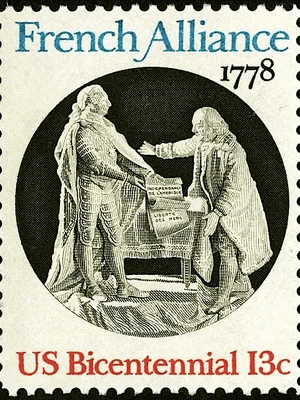
York Daily Record, May 4, 2016

The letter turns personal, as many such letters do, and Gervais says that he had recently taken his wife to “Goose Creek [a tributary of the Charles Town’s Cooper River] in hopes the change of air would restore [her] strength.” The change of air and scenery must have helped because “she Walcks much better.”

Goose Creek is a tributary of Charles Town’s Cooper River. Look due North of Christ Parish, the pink district at the far right of the map. Image: Charleston County Public Library.

The portion of this letter written this day concludes with some personal business. Gervais, who oversaw Laurens’s plantation business during his stay in Congress. “I have sent Mr. [George] Galphin [an Indian trader and commissioner] an order on Mr [Leroy] Hammond [another Indian commissioner] at Sight for fourteen hundred & Sixty Dollars the Sum which you desired me to pay him.”2

  1. John Lewis Gervais to Henry Laurens, Charles Town, June 19, 1778, Papers of Henry Laurens, 13:491-495. The June 19th portion of this letter ends on p. 493. ↩︎
  2. For Gervais and plantation management see, John Lewis Gervais, Charles Town, November 27, 1777, Papers of Henry Laurens, 12:84-88. For George Galphin during this period, see Bryan Rindfleisch, “George Galphin and the War in the South, 1775-1780,” Journal of the American Revolution, September 1, 2015, https://allthingsliberty.com/2015/09/george-galphin-and-the-war-in-the-south-1775-1780/ (accessed June 19, 2025) and Michael P. Morris, “George Galphin,” New Georgia Encyclopedia, https://www.georgiaencyclopedia.org/articles/history-archaeology/george-galphin-ca-1700-1780/ (accessed June 19, 2025). ↩︎
Today in Henry Laurens, March 16, 1771

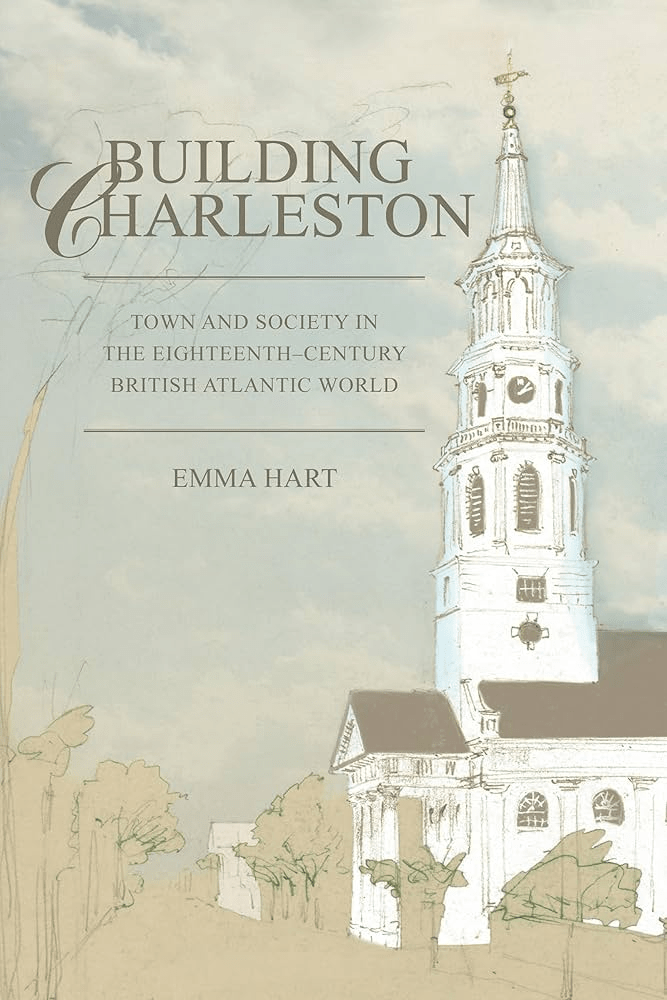
On this Saturday from Charles Town, Henry penned a letter to Richard Clarke, a well-respected priest sent to the city by the Society for the Propagation of the Gospel.1 He arrived in Charles Town in the fall of 1753. “When he preached,” wrote David Ramsay, “the church was crowded, and the effects of it were visible in the reformed lives of many of his hearers.”2

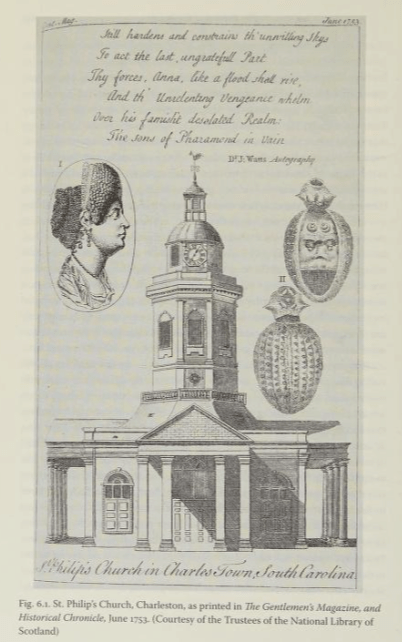
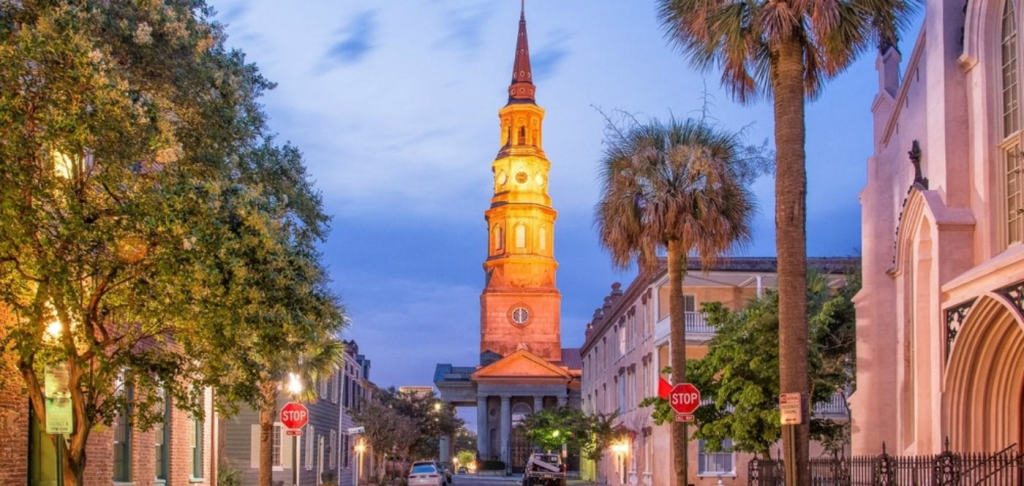
St. Philip’s Church, Charleston (Traveler of Charleston)

He left South Carolina in 1759 and became lecturer at St. James’s Aldgate in London. “Though that city abounded with first-rate preachers,” Ramsay continued, “his eloquence and piety attracted a large share of public attention.” Furthermore, and most relevant to this letter, “He was so much esteemed and beloved in Charlestown, that several of its inhabitants sent their children after him, and put them under his care and instruction at an academy which he opened near London.”3

“I have now been long waiting in anxious Suspense for an Answer to a Letter … upon very great Importance to me, and” which you should have received in October. “In the mean Tim, Henry writes, “I have determined with God’s Will to send my second son Henry to your school, and to board in your House.” Henry said he would send Henry in a couple of weeks aboard the Indian King, captained by Richard Baker, “a very careful kind Man.”

Upon his arrival at Cowes, Henry’s friends will convey him to London, but only after he has been “Innoculat[ed] for the Small Pox.” Henry adds that his brother, James, plans to send his wife’s nephew on the same ship.

Henry also had plans for his son, John, who would accompany him to England in “a Month or two longer.” Henry and John would depart for England that July, arriving at Falmouth on October 9 via Philadelphia.4 “Last night,” he wrote a London friend, after a Passage of 29 days …, I arrived here in good health, having in company with me … my eldest and youngest sons, and a Servant (an enslaved man named Scipio). The servant insisted on being called Robert Laurens while in England.5

  1. Henry Laurens to Richard Clarke, Charles Town, March 16, 1771, Papers of Henry Laurens, 7:457-458. ↩︎
  2. David Ramsay, History of South Carolina, From Its First Settlement in 1670 to the Year 1808 (Newberry, 1858), 250. ↩︎
  3. All quotes in this chapter, ibid. For his departure see, South Carolina Gazette, February 17, 1759. ↩︎
  4. Henry Laurens to Richard Clarke, Charles Town, March 16, 1771, Papers of Henry Laurens, 7:457-458. ↩︎
  5. Henry Laurens to William Cowles, Falmouth, October 10, 1771, Papers of Henry Laurens, 8:1. ↩︎